

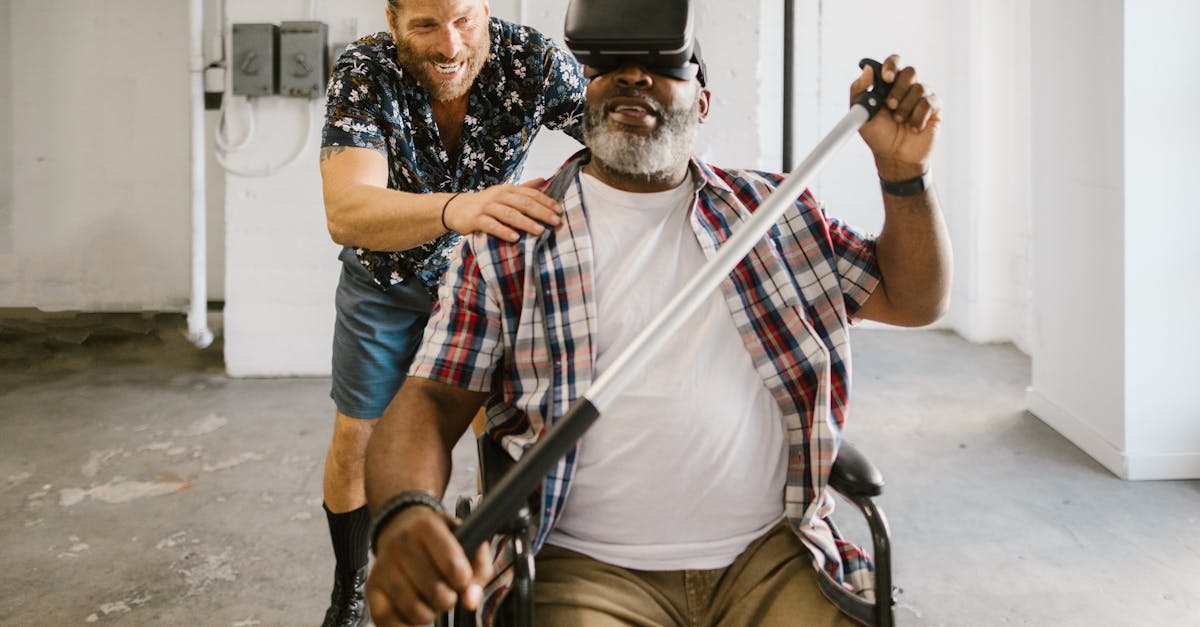
Introduction: A New Era in Therapy
In today’s fast-paced world, stress and anxiety have become almost inevitable companions for many. Between work pressures, personal challenges, and the constant bombardment of information, it’s no wonder that mental health struggles are on the rise. Traditional therapy methods, while helpful, sometimes feel out of reach or insufficient for those who need more immediate or immersive relief. But what if there was a way to experience therapy in a completely different environment, one that felt both safe and transformative? Enter Virtual Reality (VR) therapy.
Once thought to be solely for gamers and tech enthusiasts, VR has evolved into a powerful tool for mental health professionals. In this article, we’ll explore how VR therapy is being used to treat stress and anxiety, providing patients with unique and effective ways to cope with their emotional struggles.
The Science Behind VR Therapy
Virtual reality therapy may sound futuristic, but it’s built on solid psychological principles. Essentially, VR immerses a person in a computer-generated world, making them feel like they’re part of the environment. By doing so, it taps into a powerful cognitive tool: the ability to simulate experiences in a controlled, yet engaging way.
When it comes to anxiety, the brain often reacts to perceived threats or stressors with heightened emotions, sometimes even when the threat is not real. VR allows therapists to create controlled, virtual environments that expose patients to simulated scenarios. This can help them gradually face their fears or stressful situations without the overwhelming nature of real-world exposure.
How VR Helps with Stress
For many people, stress is a constant undercurrent in their lives. Whether it’s job-related, personal, or simply the result of day-to-day demands, stress can wear down mental health and overall well-being. VR therapy works by offering an escape, albeit a therapeutic one, from the things that cause stress.
Imagine you’re in a VR simulation, surrounded by a calming beach scene. You hear the sound of waves crashing, feel the warm sun on your skin, and see the gentle ebb and flow of the tide. By incorporating these sensory experiences, VR can trick your brain into thinking you’re in a real, relaxing environment, thereby helping to reduce the physiological effects of stress.
Some VR programs even incorporate guided meditation, breathing exercises, or soothing music, providing a multisensory experience that encourages deep relaxation. For patients with chronic stress, VR therapy can be a highly effective tool for lowering cortisol levels (the stress hormone) and promoting a sense of calm.
Managing Anxiety through Virtual Exposure
While stress is an everyday issue, anxiety can feel all-consuming. Whether it’s social anxiety, panic attacks, or generalized anxiety disorder (GAD), people with anxiety often avoid certain situations because they fear being overwhelmed or unable to cope. But avoiding triggers can make the anxiety worse, creating a vicious cycle.
One of the main advantages of VR therapy is the ability to conduct what’s known as “exposure therapy.” This is where patients gradually face their fears in a safe and controlled setting, allowing them to desensitize their brain to anxiety-inducing stimuli.
For example, someone with social anxiety might use VR to “attend” a virtual gathering, where they can interact with avatars of other people in a low-pressure setting. Similarly, someone who experiences panic attacks when flying could use VR to simulate a flight, allowing them to work through their anxiety before attempting to travel in real life. By slowly exposing the brain to these situations without overwhelming it, VR therapy helps rewire the way it responds to anxiety triggers.
The Role of Immersion and Distraction in Treatment
One of the most fascinating aspects of VR therapy is how it uses immersion and distraction to treat anxiety. When you’re fully immersed in a virtual world, your brain is less likely to fixate on negative thoughts or stressors. For example, VR therapy programs often guide patients through relaxation exercises while they explore a peaceful landscape, like a forest or a calm lake. This level of distraction helps the patient shift focus away from their anxiety and toward something more positive and calming.
Studies have shown that the more immersed a person feels in a virtual environment, the more likely they are to experience a shift in their emotional state. This “immersion effect” can be particularly beneficial for people who struggle with intrusive thoughts or racing minds that make it difficult to calm down in the real world.
Real-Life Examples of VR Therapy in Action
The use of VR in therapy isn’t just an idea anymore, it’s already being put into practice, and the results are impressive. Let’s look at some real-world applications:
1. Treating PTSD with Virtual Reality
One of the most promising uses of VR therapy is in the treatment of post-traumatic stress disorder (PTSD). For veterans, first responders, or anyone who has experienced trauma, VR offers a way to revisit traumatic events in a safe and controlled manner. This allows them to process the trauma more effectively and gradually reduce the emotional charge tied to those memories.
For example, a VR program might simulate a combat zone or a natural disaster scenario, enabling the patient to face the event in a setting where they’re not physically at risk. With the support of a therapist, the patient can process their emotions while feeling grounded in the present moment, leading to improved emotional regulation over time.
2. Social Anxiety and Public Speaking
Another common issue that many people face is the fear of speaking in public or interacting in social situations. VR therapy has made significant strides in helping people tackle these fears by creating realistic environments where they can practice their social skills without judgment.
Imagine someone with social anxiety who is afraid of speaking in front of a crowd. Through VR, they can rehearse their speech in front of a virtual audience, receiving constructive feedback on their performance. Over time, this practice can build confidence and reduce anxiety, helping patients feel more at ease when facing similar situations in the real world.
3. Generalized Anxiety Disorder (GAD)
For individuals with generalized anxiety disorder, where worry and stress are chronic and pervasive, VR therapy provides a safe space to de-escalate anxiety through techniques like mindfulness and breathing exercises. The immersive nature of VR allows individuals to engage in these practices without distractions, leading to more effective stress management.
What’s Next for VR Therapy?
The potential for VR therapy is just beginning to be realized. As technology improves, therapists are discovering even more innovative ways to use virtual reality to treat anxiety and stress. With more affordable VR headsets and a growing body of research supporting its effectiveness, it’s likely that VR therapy will become a mainstream option for mental health treatment in the near future.
That said, VR therapy won’t replace traditional methods like talk therapy or medication. Instead, it will serve as a complementary tool that provides patients with another avenue to explore healing and self-care. For those who struggle with anxiety, stress, or other mental health challenges, VR therapy offers a unique and transformative approach that could make a meaningful difference in their journey toward better mental health.
Conclusion: Taking the Next Step in Mental Health Treatment
If you’ve ever felt overwhelmed by stress or anxiety, you know how hard it can be to find relief. Traditional therapy options can take time to show results, and medication may not be for everyone. But with VR therapy, patients have a new tool in their mental health toolkit, one that offers immersive, personalized, and engaging ways to confront and manage their anxiety and stress. While it’s not a cure-all, the evidence is clear: VR therapy is a powerful and promising treatment for those looking for relief from the mental strains of modern life.
If you’re considering VR therapy as an option, reach out to a mental health professional who specializes in this treatment. They can guide you through the process and help you determine if it’s the right fit for your needs. The future of therapy is here, and it’s more immersive than ever.