
Introduction
In the world of home improvement, the phrase “saving energy” has become as important as any other buzzword. With increasing electricity prices and concerns about sustainability, many homeowners are looking for ways to reduce their energy consumption. Fortunately, smart home technology offers more than just convenience; it can also help you cut down on energy costs. The beauty of these devices is that they work efficiently behind the scenes, often without you even noticing. So, if you’re thinking about reducing your carbon footprint while saving money, here are some of the best smart home devices that are designed to help you do just that.
1. Smart Thermostats: The Energy Saviors
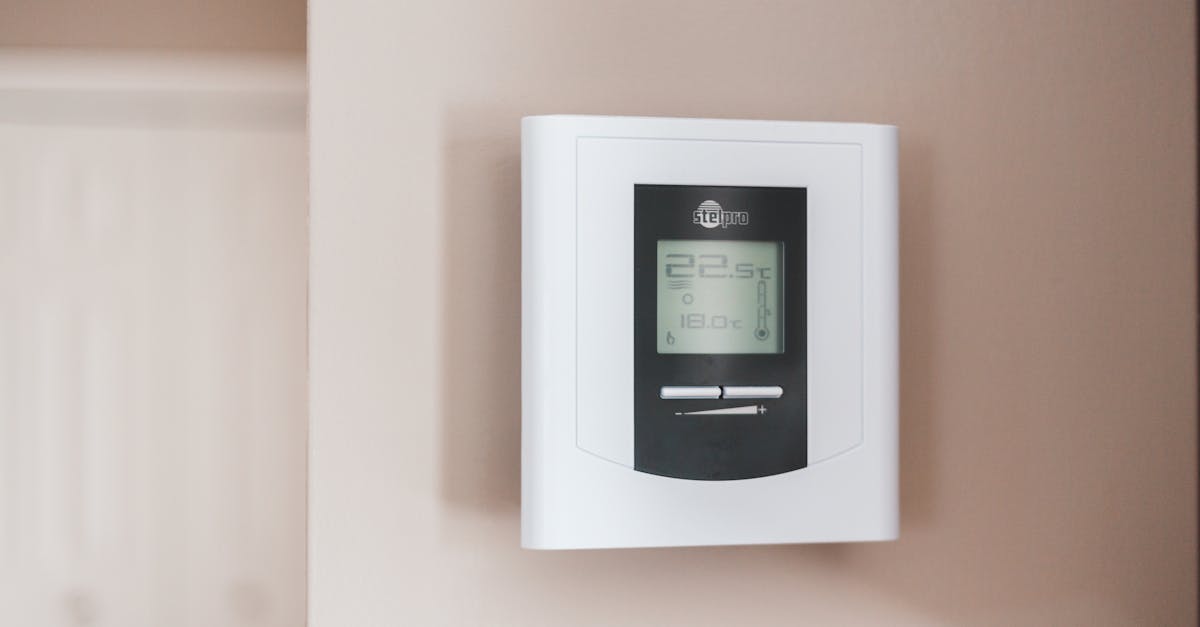
If there’s one device that has revolutionized home energy efficiency, it’s the smart thermostat. These gadgets go beyond the simple act of regulating temperature. Think of them as your home’s personal energy manager. Take the Google Nest Thermostat, for example. It learns your preferences over time, adjusting heating and cooling automatically to match your schedule. The result? Your HVAC system runs only when necessary, avoiding the common mistake of heating or cooling an empty house.
Another favorite is the ecobee Smart Thermostat, which comes with built-in Alexa. This one uses sensors placed throughout your home to detect occupancy, so it knows exactly where to focus its energy-saving efforts. Both these options are excellent for reducing energy waste and can be controlled from your smartphone when you’re not home, ensuring you never leave your HVAC running unnecessarily.
Why It Works
- Adjusts to your schedule – Smart thermostats learn when you’re home and when you’re not, optimizing energy use.
- Remote control – Control the temperature from anywhere, ensuring you’re not heating or cooling an empty house.
- Integration with other smart devices – They work seamlessly with other gadgets like smart blinds or lights to further reduce energy consumption.
2. Smart Lighting: Bright Ideas for Saving Energy
When it comes to energy consumption, lighting is often one of the first things we overlook. However, traditional incandescent bulbs can be notorious energy wasters. Swapping them out for smart bulbs can have a huge impact, both on your utility bill and your home’s atmosphere. Take the Philips Hue Bulbs as an example. These color-changing LEDs allow you to adjust the brightness, color, and even set schedules, giving you full control over your home’s lighting needs.
Not only are they energy-efficient, but they also create the perfect ambiance for every room. Set them to dim when you’re watching TV or brighten them up when you’re reading. And the best part? You can automate your lights based on your routine. So, when you leave the house, your lights can automatically turn off, preventing any unnecessary energy drain.
Why It Works
- Energy-efficient LEDs – These use significantly less power than traditional bulbs, reducing energy consumption.
- Automation – Schedule your lights to turn off when you’re not using them.
- Remote control – Turn off lights from your phone, even when you’re not at home.
3. Smart Plugs: Control Your Energy Use
Smart plugs are small devices that can make a big difference in energy consumption. They let you turn ordinary appliances into “smart” ones, giving you remote control over your electronics. For instance, the TP-Link Kasa Smart Plug can be programmed to turn devices on and off based on your schedule, ensuring you don’t leave appliances running unnecessarily.
Take your coffee maker, for example. If you tend to forget to turn it off after brewing a cup in the morning, a smart plug can handle it for you. You can even check the status of devices when you’re not home and shut them off with just a tap on your phone. Plus, many smart plugs track energy usage, giving you insight into which appliances are using the most power.
Why It Works
- Remote control – Turn off devices from anywhere to avoid unnecessary power consumption.
- Scheduling – Set specific times for devices to turn on or off automatically.
- Energy monitoring – Track energy usage and pinpoint power-hungry appliances.
4. Smart Blinds: A Simple Solution to Temperature Control
Smart blinds may sound like a luxury, but they’re an investment that can save you a lot of money on your heating and cooling costs. Think about it: natural sunlight can heat your home during the day, but in the summer, it can make it unbearably hot. Smart blinds like those from Hunter Douglas or Lutron adjust automatically depending on the time of day or temperature in your home. This helps maintain a more consistent indoor temperature without the constant need for your HVAC system.
For example, if the sun is beating down on your windows in the middle of the afternoon, your smart blinds can automatically close to block the heat. In the winter, they can open to let sunlight in and warm up your home. Over time, these small adjustments can add up to big savings on your energy bill.
Why It Works
- Automatic adjustments – Smart blinds open and close depending on the time of day and weather conditions.
- Reduces reliance on HVAC – Keep your home naturally cooler or warmer without cranking up the air conditioning or heat.
- Convenient scheduling – Program your blinds to open and close at specific times.
5. Smart Water Heaters: Hot Water on Demand
Heating water accounts for a large portion of your energy bill, but with a smart water heater, you can use it more efficiently. Rinnai’s Sensei Series is a great example. These on-demand systems only heat water when you need it, as opposed to traditional tank heaters that constantly maintain a reservoir of hot water. This means you’re not wasting energy keeping water hot when you’re not home or when you don’t need it.
Some models also offer remote control and energy monitoring, allowing you to schedule when hot water is available. This way, you can ensure you’re only using hot water during certain hours of the day, helping you avoid waste and high energy costs.
Why It Works
- On-demand heating – Only heat water when it’s needed, avoiding wasted energy.
- Energy monitoring – Track energy usage to make adjustments based on actual need.
- Scheduling – Set specific times for hot water availability to avoid heating it unnecessarily.
Conclusion: A Smarter Way to Save
Adopting smart home devices is not just about making life more convenient; it’s about being smarter with how we use energy. By investing in products like smart thermostats, lights, plugs, blinds, and water heaters, you can significantly reduce your home’s energy consumption while also cutting down on utility bills. The beauty of these devices lies in their ability to work autonomously, making decisions based on your schedule, preferences, and even the weather. So, if you’re looking for ways to save energy and protect your wallet in the long run, these smart devices are the way to go.
It’s all about working smarter, not harder, your future self (and your bank account) will thank you for it!